Sunday, August 12, 2012


Saturday, July 28, 2012
The Grizzly Bears of Lake Clark


The routine in the camp was to go out around 0600, returning for breakfast by 0800 and then out in the field again till lunch time. After lunch we usually returned to our cabin for rest or to edit images while others opted to go fishing. Then, we went out again at 1600, returning for dinner at 1900. After dinner we went out again until sunset. The early morning and late afternoon offered the best lighting conditions.


Imagine
photographing dozens of grizzly bears, huge animals with a reputation for being
aggressive, on foot at close range- not a single act of unfriendliness, rather
one of total ignorance of our presence.
They were so close that a 400 mm lens was too tight for photographing
most of the time; so I would have to back up in order to frame the whole animal
within the viewfinder. This also
provided a way to maintain a safe distance from the bears. Another item that may have helped our safety is
that we were a group of 6 and always maintained a close group perhaps making us
looks bigger. These bears may be
acclimatized to the presence of people that visit the area.


The first
day after dinner we ran into Pavlov, a grizzly bear so named because of his
strange personality. It appears that
this bear enjoyed posing for photographers and would lie down in the sand, roll
around and demonstrate strange poses.
Then he would run to the water, run, come back to the beach, shake the
water and start another routine.


There was a
pair of 2-3 years old cubs that were recently chased away by the mother and
were beginning to start their independent lives. On various occasions they were chased by
their mother or other adult bears and they would run away as fast as they
could; on occasion they would climb a nearby tree.


The bears
live in this area because of the abundance of food and consequently grow larger
than the inland grizzly bears. They have
an ample supply of grass which they spend most of the time eating just like a
cow, are experts and digging and opening razor clams in the mud flats at low tide
(one bear cut the lip with the shell, maybe that is why they called razor
clams), and later on in August-September fill their bellies with the salmon
that come up Silver Salmon Creek to lay their eggs. They are also scavengers and one evening, one
found a dead skate that provided an opportune dinner.


There are
other mammals and birds in the area such as wolves (saw tracks on the sand),
beavers and numerous shore birds such as yellow legs, tufted puffins and mew
gulls. But next to the bears, the most
exciting were the bald eagles.

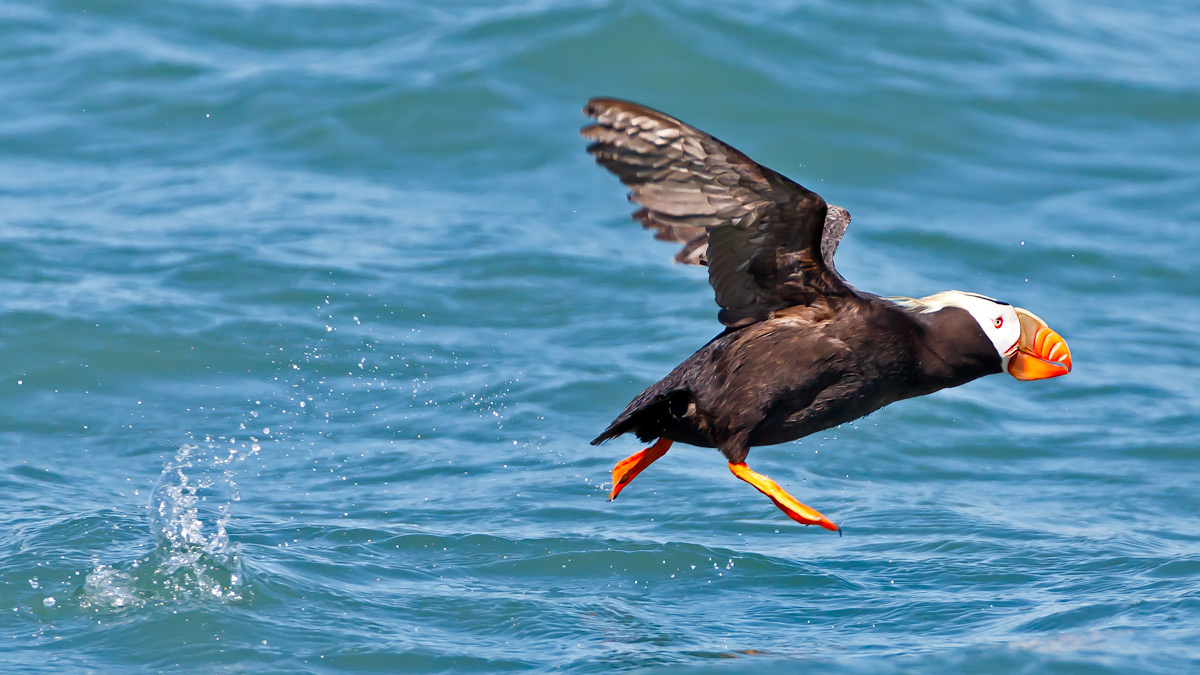


This one of
the places on earth where I like to return, just as East Africa and Patagonia
and enjoy a back scratch while waiting for another grizzly to walk by.


Tuesday, July 10, 2012
Yellowstone 2012


One of the reasons for returning was to go to Trout Lake to photograph the spawning of the cutthroat trout. Last year when I visited it was too early, but this time, I got there on time. It takes a stiff walk up a hill to get to the lake, but once there it was worth it. There is a stream coming from the mountains that enters the lake at the northwest corner; this stream is crossed by a wooden bridge. You can see hundreds of trout going up the stream after laying the eggs are laid in the gravel bottom at the entrance of the stream to the lake. The male trout hit the sides of the females making their eggs to be released at which time; the male spreads them with clouds of sperm to fertilize them. This is easier to observe than photograph.


To kill the time between the unpredictable otters
appearances, I would spent time photographing the goldeneyes that at the time
were doing their pairing dances and looking for hole in trees to set
households. Early in the morning they
will do their rituals dances and flights that were finished usually by
0830. At that time 2 or 3 pairs will fly
to the top of a hollow dead tree in the side of the mountain. By the third day, when I realized what was
going on, I climbed the side of the mountain and set the camera with a tripod
about the same height as the top of the tree about 30 feet away and was able to
capture a few images of their landings.


Since sunset arrive late @ 2100, after returning to the car
from the lake, I will drive up and down the Lamar Valley road in the hope of
taking a shot of a wolf crossing the road; no luck here but I was able to
photograph the ever present buffaloes, coyotes, pronghorn gazelles and elks.


A few miles the road
at the entrance to the town of Silvergate, I ran into a fox family. The animals fur did not look good (notice
lack of hair between the tail and the rump); it is suffering from sarcoptic
mange is caused the mite Sarcoptes scabiei, it burrows into the skin into which
it deposits eggs, feces and other waste. This disease may eventually kill the
fox when winter comes because the animal will not have enoughfur to protect it
from the winter cold.

The day I arrived at Yellowstone about noon, I witnessed a
strange interaction between a badger and a coyote. It appears that the badger was chasing the
coyote away from the proximity of it den.
While this behavior was going, the coyote will catch a ground squirrel
and stop to eat it, the badger will also do the same. And the chase stopped for the few minutes
that it took to swallow the prey. The
interaction ended near a buffalo at which time the two predators parted ways.

Who knows what next year will bring, maybe I will get the
elusive wolves. Stay tuned.
Sunday, May 13, 2012
Kenya 2012

I was last in Kenya in 2009 and since then, there have been
great changes in urbanization and highways.
There are several modern highways being constructed around Nairobi and
other national highways. From the signs around
the construction sites, they are being funded by the Chinese government. They are also building a new railroad from
Mombasa to Kampala; fortunately the workers will not have to face the “man
eating lions of Tsavo” as those who built the original railroad during the
British Colony in the late 1890’s. No
improved highways are to be found leading to the Masai Mara, the biggest
tourist attraction in the country and the home of the greatest nature show on
earth, the crossing of the Mara River by the migrating herds. It was explained that the airlines providing
flights to the Mara are opposed to the improving the highways since this will
cause their lucrative business to diminish. As a contrast, in Tanzania, one can drive from
Arusha to the gates of Ngorongoro Crater Park by roads in good conditions.

This safari was kind of “déjà vu” since I visited most of
the sites that I did in 1993 during my first trip to Kenya. I headed first for Sweetwaters where I was
last in 2004. The number of tents has
increased, with the original row facing the waterhole being the prime
location. A second row of elevated tents
were built behind the original ones. The
food here was the best of all the places visited but unfortunately, they have
an unvented grill inside the restaurant which really pollutes the atmosphere.

The waterhole is busy and one can seat in the front porch of
the tent and shoot the action while drinking Tuskers. Jane Godall’s Chimpanzee Sanctuary is located
here as well as a Rhino Sanctuary. Back
in 2004 I was privileged to visit with Morani, a tame rhino that allowed
tourist to be photographed next to him.
Now there is Baraka, a blind rhino but not friendly. This reserve is worth visiting since there
are opportunities for day as well as night game rides. I was lucky to get one of my best photos of a
cheetah early one morning. Yes, I will
recommend it.


Mount Kenya National Park was the next destination where we
visited the Serena Mountain Lodge; my third visit there. The lodge is dated and in need of upgrading
but it is a great location due to the waterhole and the opportunity to capture
images of some animals not easily found in other parts of Kenya. The lodge
being in a mountain, in the higher floors, provides an eye level view of the
tree canopy. This gives a great
opportunity to photograph Colobus and Sykes Monkeys; they alone make the stay
there worthwhile.


From Mount Kenya I returned to Nairobi to meet some friends
joining the safari. After meeting the
newly arrived, all first timers to Kenya, we departed for Sangare, a tented
camp northeast of Kenya. This camp has a
small lake giving a great opportunity to photograph birds as well as water bucks,
and a rare horse/zebra. It is the result
of the offspring of a zebra and a horse; an image is above.


From Sangare we traveled to the Aberdare Country Club where
we stopped for lunch. I was previously
here in 1993 and the changes have not been for the best. The quality of the staffing, facilities, food
and sophistication has severely declined since the days when it was managed by
British owners. Now is run by local
Indians and the obvious the new business model of squeezing all the profits you
can. The atmosphere of the glamour days
of the 1930’s and still there in the early 1990’s is gone forever. While leaving the Club, we ran into a Manned
Rat, a beautiful one and a new species for me.

We spent the night at the Arch, another site visited in
1993, there were basically no structural changes. The rooms are in need of upgrades which the
administration admitted; there was a sign at the entrance apologizing for the
conditions and that they were in the process of renovating the rooms. One thing about following a tradition, there
are no locks in the doors to the room, so beware of leaving expensive gear in
the rooms. But the wildlife visiting
throughout the night is still coming and the bunker is still accessible to
photograph elephants at eye level…no flash please!


The next morning we continue to Solio, the rhinoceros
wildlife sanctuary, this place has grown since my first visit to and definitely
has improved. I do remember the last
time that there were not so many rhinos and were difficult to see since they
hid in the bush when the vehicles approached, now they don’t pay attention to
the traffic or tourist screaming from the open tops. They are conditioned to people, and easy way
for photographers to great shots of these awesome beasts.


Next we arrived at Lake Nakuru, which I have visited several
times. Other than a decline on the
quality of the food at the lodge, and the facilities still frozen in time in
the 90’s, it is still a place to visit.
The lake with their pelicans, spoonbills and flamingoes are always a
pleasure to observe while waiting for a hyena or jackal to chase them to catch
a meal. So far, it has not occurred
during my visits, so I will have to return.
During this visited I had the luck of visiting the waterfall which I
never seen previously; here I captured the images of the baboons below; she seems
to be thinking…will he ask me for a date?


From Lake Nakuru we drove to Lake Naivashia in the early
morning to photograph the fishing eagles without much success. Then we continued to the ultimate
destination, Masai Mara. It continues to
be the best for wildlife photography site despite the numerous visitors. It is common to see more than14 vehicles
surrounding a lion kill or leopard hunting.
The numbers of vehicles were not so noticeable back in the early 1990’s. As in Solio the animals have become
conditioned to the vehicles and the tourists, making their photography easier.


The Mara may not last in my opinion 20 more years due to the
country’s population demands and foreign development investments. The water level in the Mara has declined drastically
since I was there in 1993, during my last two visits; the herds just waded
across the river. The last time I saw
them swimming across it was in 2004. If
water continues to be depleted by destruction of the forests where the Mara
River originates or by diverting it for irrigation, the migration ceases. Still the opportunities to see a kill are
feasible and while there, I witnessed a cheetah kill. These are extremely difficult to photograph
because it happens so fast and it hard to predict in what direction the chase
will go. Although I did not get great
image of the chase, the cheetah got its meal.


And there are the always lions in love as well as the
elephants, birds and other wildlife. The
greatest wildlife nature show is still with us, but don’t wait long to
experience it.


Subscribe to:
Posts (Atom)


